Kids’ online safety – cracking the code

Photo courtesy Creative Commons

Photo courtesy Creative Commons

How to protect kids online? The Government is clueless!

The Department for Education plans to launch an online guide for parents and teachers, helping them decipher acronyms and other codes children use on social media.

The ParentInfo website is essentially a text-speak dictionary parents can access to decipher what kids are really saying online to protect them from pornography, paedophilia and “sexting”.  Abbreviations include: GNOC (get naked on camera); LMIRL (let’s meet in real life); DOC (drug of choice) plus warnings like PAW (parents are watching) and P999 (parent alert).

A marvellous idea in theory but I immediately recalled my own childhood that, despite being entirely Internet free nonetheless contained large amounts of pornography, albeit mostly in magazines, but also several videos. Some of this was largely purloined, interestingly, from a few of my parents’ more bohemian friends.

My friends and I also ran rings around adults in other ways with our own slang and teen-speak. Kids, as they say, will be kids.

I am not at all advocating giving children complete free-reign or access to pornography – boundaries must be set. I also agree parents and teachers need assistance. Technological developments now move so fast many must be left almost clueless. Once parents crack one code children, however, will almost certainly create another equally baffling. Again: kids will be kids.

Unless we therefore devote a branch of MI5 to this dilemma I fail to see how it can possibly succeed.

Another service ParentInfo offers is advice for parents on engaging with their children about the Internet and how to use it safely. Surely this is common sense and should now be as much a part of good parenting as explaining where babies come from.

I therefore fail to see the point of this whole endeavour.

Far more useful would be following the example of Belgian sexologist Goedele Liekens, who recently featured in Channel 4’s fascinating documentary Sex in Class, predictably slammed by the right-wing media.

Trialled in one school, Ms Liekens offered a ground-breaking approach to how teenagers should be taught about sex. Sex Education became as important to the curriculum as Maths or English.

Homework was even set. Girls were encouraged to explore their own bodies with a mirror. After voting on which photograph of vaginas in different states of hairlessness they preferred, boys were given a taste of their preference for the hairless and asked to shave their own pubic hair. Taught in co-educational classes, with an exam at the end, among other benefits the difference in girls’ assertiveness once the course was completed regarding what was acceptable behaviour from boys was inspiring.

If the Government put as much time and money into this worthy and tested scheme as it did another quick-fix solution designed to generate headlines, they might finally start helping the children they claim to want to protect.

EXCLUSIVE: Interview with Green Party Deputy Leader Amelia Womack

1966935_594269970650012_157568431_n


Can the long-termist Greens win a general election sprint?

Rupert Murdoch’s electoral edict to The Sun’s editorial staff: keep Miliband out of Downing Street or risk their jobs was unsurprising. Far more interesting was the lack of effect this, or anything in mainstream media, had on polls. The old: “It Was The Sun Wot Won It” days are over.

Continue Reading…

When political parties need to professionalise

The News Hub

Natalie Bennett’s disastrous week mean urgent lessons must be learned, by her and the entire Green Party.


Rob Whitson in UK Politics

28 Feb 2015, 01:04 GMT | Comments (1) | Report

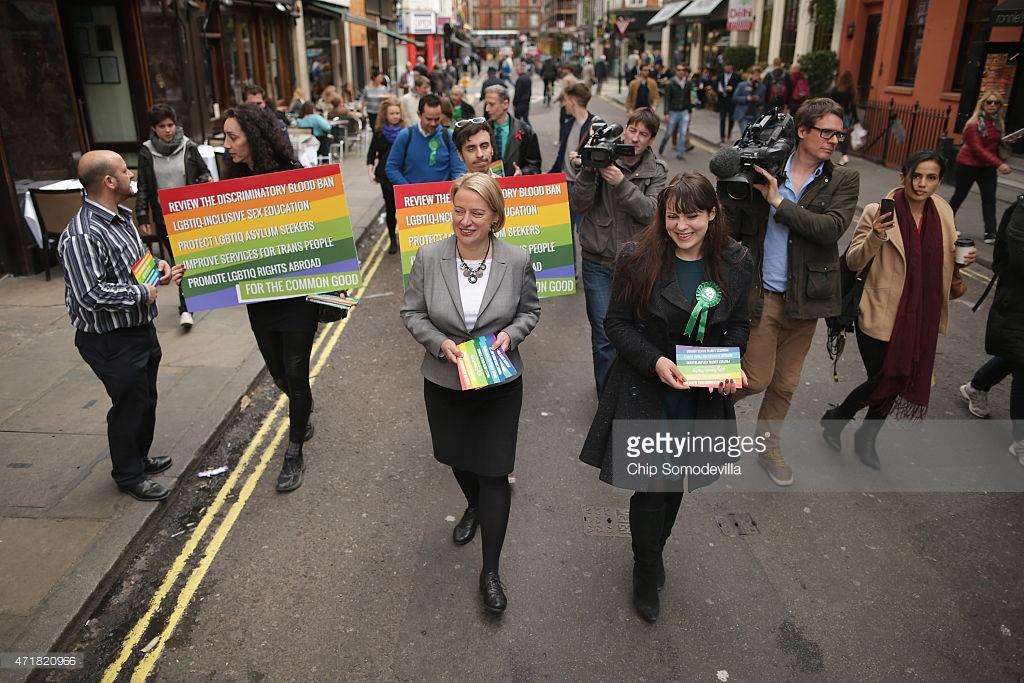
Green leader Natalie Bennett at the party’s ill-fated election policy launch (Photo: Creative Commons)

Insurgent parties, like the Greens and UKIP are receiving the widespread media coverage they craved for so long. This, as they are discovering the hard way, is a double-edged sword.

Continue Reading…

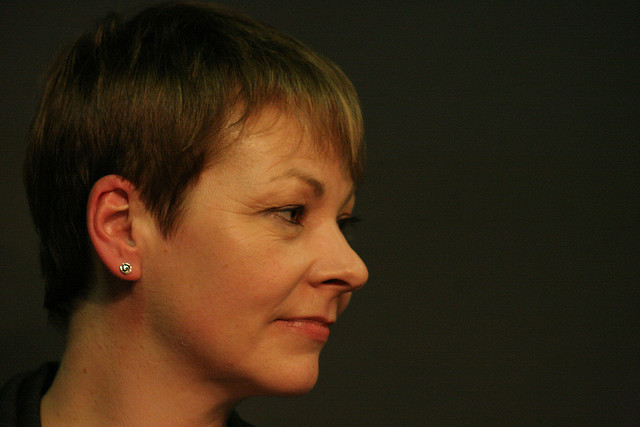
Caroline Lucas: the media’s our problem

The News Hub

The Green MP discusses her party – its policies, popularity and how to be heard above UKIP

The ugly face of British nationalism

EDL Rally (Photo: Rob Whitson)

EDL Rally (Photo: Rob Whitson)

In Whitehall on lawns opposite Downing Street, something other than the cool change made me shiver Saturday.

Exiting Charing Cross station numerous St George’s flags are visible, flying at the top of Whitehall near Trafalgar Square. My first thought is Unionists are celebrating their referendum victory. Getting closer, the flags’ and separate banners’ slogans: “No Surrender”; “No More Mosques”; “No Sharia Law”; “Supporting Our Troops” reveal a more sinister, dangerous nationalism though.

Asking one of many police nearby, I’m told the English Defence League (EDL), the South East Alliance and other far-right groups are uniting in protest against the “Islamic threat” to Britain. Previously dismissing them as mere lunatic fringe groups, I’ve always walked past. This time I follow to see what exactly they hope to gain.

There’s a raucous march down Whitehall, EDL supporters yelling and chanting. They try to get as close as possible opposite Downing Street when they’re confronted by a small but highly vocal anti-fascist rally organised in opposition. The police keep both groups apart. Once the EDL are set up on the MoD lawn more police line up to separate them from the traffic and tourists walking past to Westminster and Number 10. It strikes me just how many police there are and what else they could be doing.

Standing on the small island surrounding the Women of World War Two monument in the middle of the road, I watch and listen.

One of the most noticeable things is how clearly inarticulate and badly educated most of the crowd, consisting of men, women and children of all ages are, including nearly all the speakers.

An elderly English couple visiting London are standing nearby taking photos. We begin talking, their contempt for the group opposite quickly becoming apparent. I point out just how young some of the children are – mostly “mini-mes” of the men with matching football shirts and shaved heads.

“Look – they don’t stand a chance. They’re indoctrinated with this idiocy. Give me the child and I’ll show you the man,” says the gentleman.

I point out how few people are actually there in opposition to the rally and the numbers of people who walk by, seemingly oblivious.

“They don’t call them ‘the silent majority’ for nothing do they? What worries me is it’s the squeaky wheel that’s getting the oil now. Look at the rubbish the politicians are coming up with to counter Salmond and UKIP,” the woman says.

Their main speaker, sacked UKIP parliamentary candidate Paul Weston is now head of the far-right Liberty GB. Weston rants about Rotherham child abuse and ISIL, reading what he claims are Sharia Law edicts condoning rape and murder. Whipping the 200 or so strong crowd into a frenzy, he claims Islam is a “cult not a religion”.

Frighteningly familiar complaints begin about British jobs for British citizens, foreigners on benefits and the blood of brave British troops being spilled to battle Islam’s evil influence.

Nearby stands Viscount Alanbrooke’s statue, one of Britain’s great Second World War heroes. One of the soldiers they believe they fight for he looks away, seemingly embarrassed.

Stressing today’s event is going well and how pleased police are with today, Weston emphasises its peaceful nature. The speech stops to rapturous applause as the EDL anthem is played via speaker: “We’re coming! We’re coming! We’re coming down the road! We’re volunteers of the EDL, we’re coming down the road!”

Everyone’s chanting the words when, with no warning, protestors, police and paparazzi run back towards Trafalgar Square. Keeping up, a freelance photographer explains to me despite common beliefs rival groups usually fight among themselves over who’s more far-right. When we arrive at a pub on the northern end of Whitehall the brawlers have fled into the West End.

I stand by Northumberland Avenue taking notes watching as a large group of 20-somethings make monkey noises in earshot of a lone black police officer. He smiles politely. His white colleagues nearby however fail to intervene despite police easily outnumbering protestors by about three to one.

Asking the officer how he feels about all of this he just shrugs.

Seeing me taking notes one of his colleagues asks if I’m a journalist. I explain I’m just starting, my first time covering anything like this and my surprise at the number of police. Explaining this, he goes on to confirm something else I’d noticed:

“It’s the first time we’ve had such a poor show from the anti-fascists.

“The EDL are usually the better behaved out of all of them. The problem is they cause such an adverse negative ripple around them.”

Asking why he did nothing to stop the monkey chants he says he didn’t hear them: “You get used to that in the police. Things like: “bacon” “Laurel and Hardy” – you’ve got to develop a thick skin.” Again, his black colleague shrugs.

I point out how similar their demands seem to be to UKIP’s and how other more mainstream parties seem to be increasingly competing on the same nationalist platform in response to their recent success. I give the forthcoming Clacton by-election as evidence.

“Yes. It’s worrying,” the black officer says.

“No I don’t think they’ll ever get a real voice,” the white officer says. I walk away, having seen and heard enough.

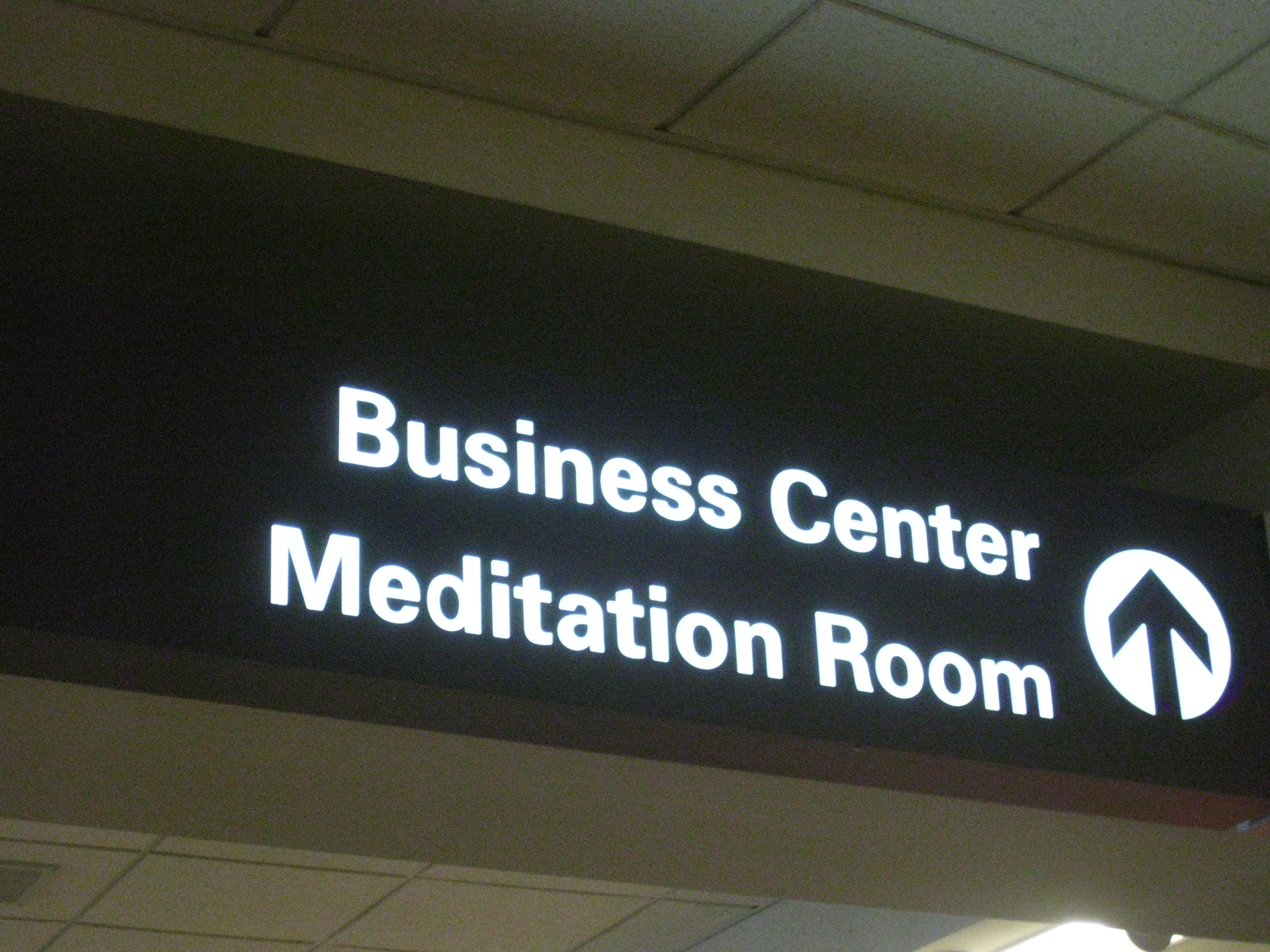
The Mindfulness Revolution

(Photo: flickr.com courtesy Creative Commons)

(Photo: flickr.com courtesy Creative Commons)

The Wall Street Journal recently claimed mindfulness-based meditation’s health benefits were limited. However with mindfulness recently on Time’s front-cover, and Mindfulness Apps available for mobiles, this apparently contradicts other publications and many people’s experience.

Adrian Rides, mindfulness practitioner and teacher for over 10 years based at The Now Project, describes mindfulness as a meditative way of observing your own thoughts while still fully engaged in daily activities: “It’s about waking up – being as alert, alive as possible to this moment so your attention is 100% in the present. When you do that, something happens: your thinking quietens – it creates a quiet space called thoughtless awareness…,

“Accessing thoughtless awareness allows you to engage fully – free of the dialogue in your head. For many people that dialogue’s not altogether comfortable and it could be downright destructive and painful. So to be able to consciously choose to step out of the dialogue in your head’s quite a nice ability to have.”

Doing this without judging or trying to change your thoughts you discover nearly all your emotional discomfort – guilt, fear, anger etc., proponents claim. This isn’t caused because of what’s really happening but by our own thoughts. Once you see this you can decide to just withdraw your attention from the discomfort. Because you wouldn’t choose to be in discomfort, things change and you begin to feel better.

Medical News Today criticised limited research supporting The Wall Street Journal’s and similar articles, downplaying mindfulness’ benefits. That doctor believes the medical profession must update its awareness of the benefits mindfulness based therapy offers.

Paul Vallins, a client of Mr Rides agrees. A cocaine addict for ten years, he’s been clean for seven – something he attributes to mindfulness.

“It’s a completely different reality I’m living in,” he says.

“It takes practice. It’s difficult. Your mind doesn’t want to give up. There’s the ego in the pain body you must deal with. The ego’s your false sense of self… who you think you are.

“I was in a lot of pain then so at first practising was easy for me because there was no way out and that happens to lots of people I find. You take mindfulness on, it comes from a place of: they need to surrender.”

Mr Vallins now has a roofing business and teaches mindfulness himself. Mindfulness continues growing in popularity – even MPs take mindfulness classes in Westminster. It seems anyone really can benefit.

Are the Government doing enough to help runaway children?

(Photo: flickr.com courtesy Creative Commons)

(Photo: flickr.com courtesy Creative Commons)

Children’s Society

Following recommendations by the Children’s Society the Government will be introducing a new scheme to make it compulsory for Local Authorities to offer runaway children an interview on their return. Natalie Williams is Policy Officer for the Children’s Society and she talks to reporter Rob Whitson.

London fire station closures – a false economy?

(Photo: wikimedia.org courtesy Creative Commons)

(Photo: wikimedia.org courtesy Creative Commons)

Fire Station Closures

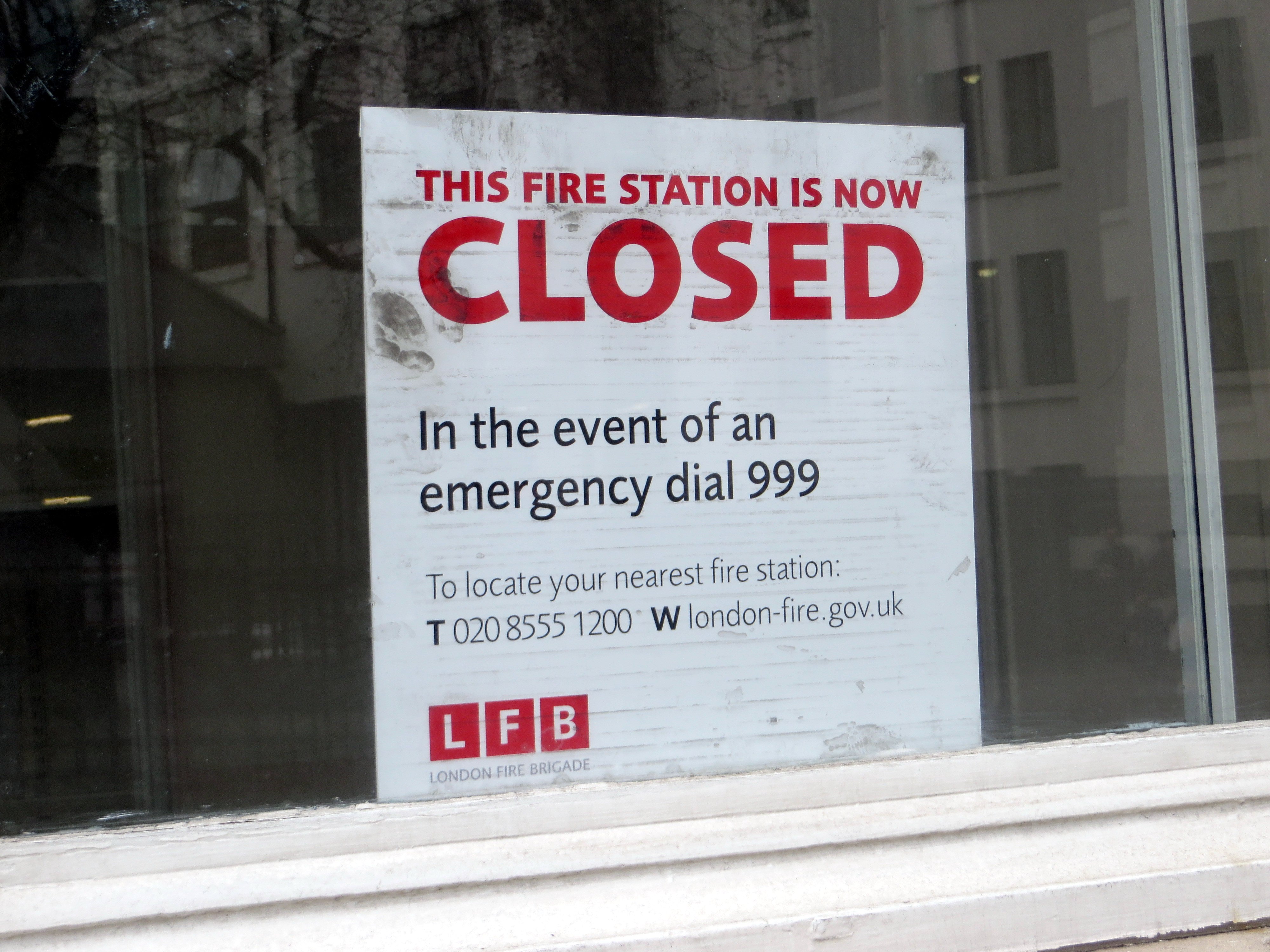
London Mayor Boris Johnson says his current term will be his last and now has two and a half years until it’s over. So how will the Mayor’s final term be judged once he’s gone? One defining issue will be his plans to close 10 London fire stations across the capital to try to save money for small council tax cuts. The councils affected are so angry though they’ve taken the Mayor to court. Rob Whitson looks at some of the issues behind the arguments.

My week without power

(Photo: flickr.com courtesy Creative Commons)

Photo: flickr.com courtesy Creative Commons

A final-year student homeowner struggling to pay my mortgage with a combination of student loans and dwindling savings, I’m always after ways to save money. I’m also environmentally responsible. With power bills both in the news and on the increase, the chance to go “off grid” for a week seems well timed.
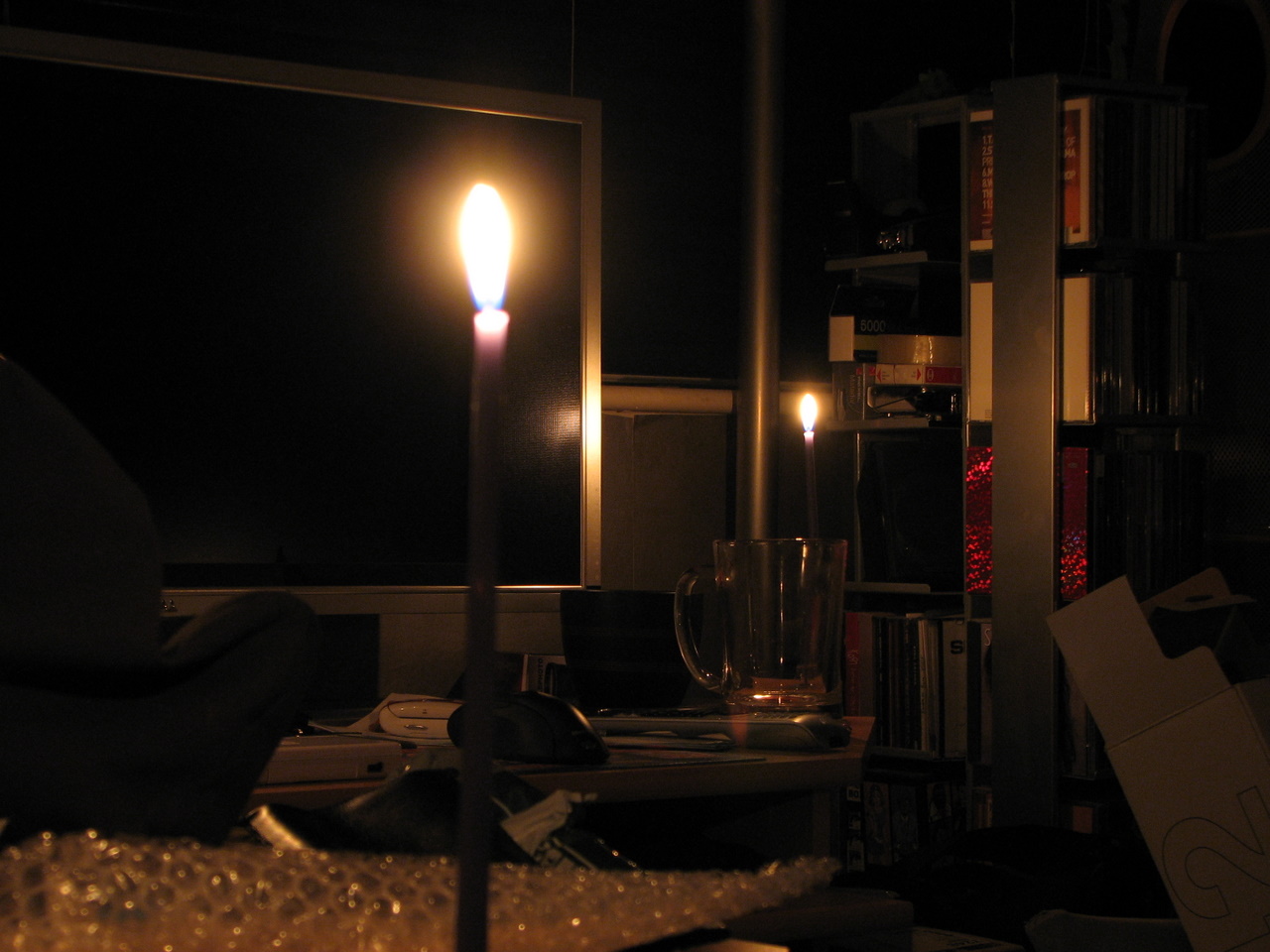
My building doesn’t have gas so even hot water and heating are supplied electrically. At 5pm Friday I turn off my mains power. Except for a rechargeable battery bought on eBay for my laptop, to be used solely for university work, my electricity-free week’s commenced.
Friday evenings I usually unwind after a stressful week at university with some music, red wine and a ready meal before catching up on the week’s TV. After a particularly bad day the setting sun forces me to turn on two small battery-powered lamps a friend loaned me. With my battery-powered radio for entertainment I pour myself a glass of wine but this does little to improve my mood.
Despite the lamps’ light my flat’s still dark. I’m tired and listening to the radio in a gloomy flat, while trying to catch up on some recreational reading is not an especially relaxing end to a hard week. Apart from darkness, the most noticeable aspect is the silence. It’s amazing how used to the background hum of the fridge and other electronic devices you become and how much you miss them when they’re absent.
Already dreading tomorrow morning and the prospect of no hot water I decide I won’t subject myself to that particular ordeal. Therefore unless I make it to the gym I’ll just manage without.
Lacking the numerous electrical distractions I’m usually afforded via the TV, Internet and stereo, time so far seems to move more slowly: seconds become minutes, minutes become hours… you get the idea. This may be because the battery-operated living room clock seems much louder than usual but, I suspect, is more likely because I’m without the aforementioned devices.
Before bed as I clean my teeth with my electric toothbrush I realise I’ll need to buy a manual one tomorrow as the charge won’t last all week and this is something I can’t do without.
I’m delighted to see daylight the next morning. I still keep going to turn on lights as a matter of habit however and filled the kettle for my morning coffee before remembering I can’t boil it. Normally lazing about the flat until after midday, today I’m out the door before 11.
As the clocks go back that night, the following day my east-facing flat gets dark even earlier and, with a big storm due and temperatures expected to drop, I need encouragement.
I consider the energy I’m saving, an average of 11kWh over the week and decide to discuss this with an environmental campaign group like Friends of the Earth (FoE) who I expect will applaud my sacrifice. I’m in for a disappointment though.
“It’s a really laudable thing to go for,” agreed FoE energy campaigner Guy Shrubsole, after I explain how I’m living.
“Some of our work in the past has been more to do with encouraging micro-generation so people can have access to things like solar panels on their roofs, being able to install small-scale wind power and things like that.
“But we’ve mainly done work to allow people to try to sell that electricity back in to the grid so although there’s a greater degree of self-reliance, they’re not completely off-grid. People tend to struggle if they have to generate all their power themselves just for a domestic setting. So we’re much more supportive of opening up the market, the electricity sector, of giving power back to the people and decentralising power.”
He sees one of the biggest problems living this way is sheer impracticality, due to the amount of electricity generating equipment necessary to invest in capable of balancing out the differing highs and lows in both energy demand and supply. This equipment, as I’ve discovered from my online research, is not cheap. For even extremely basic kit, prices begin at over a thousand pounds. Proponents argue this eventually pays for itself, but if you’re on a tight budget how do you overcome this in the short-term?
“Some of the rates you can now get for the feed-in tariff [the money you receive for any excess power produced] for solar panel installation are still quite a good investment and something that’s being taken up by quite a lot of people around the country,” Mr Shrubsole said.
“But I think there’s a greater reluctance to do so because the government keep fiddling with the rates for it… and that’s obviously been very disruptive to the industry and disruptive to public uptake.”
As my week continues things don’t become easier. I begin to dread coming home to a flat that since Sunday night’s big storm and the end of BST, became noticeably colder and gloomier than before. I really miss my morning coffee and although I can go downstairs and across the road to a cafe it’s not the same. I’ve come dangerously close to cheating by using the computer battery to boil the kettle several times.
I’m already sick of washing my face in cold water every morning. It’s no substitute for a hot shower and I have too much work due to get to the gym even if it is only to wash. From the smell of my armpits I really should man up and use the face-washer to at least give them a clean. But if I’m suffering, anyone silly enough to get close to me with the miserable look now constantly on my face, deserves what they get.
From my window I jealously watch light warmly flicker through windows across the street. However even at the climax of my self-pity party I remember I at least have a choice. This is entirely voluntary. For hundreds of thousands of elderly, unemployed and low-earners forced to decide between paying their electricity bill or whether they eat, this must be truly depressing.
Arriving home Wednesday night, my flat’s really losing heat, forcing me to wear extra layers. Again I’m lucky – the cold weather’s barely begun and my triple glazing and modern building materials mean the flat’s hardly freezing, another reason for environmental groups like FoE’s shift away from self-sustainability.
“…even if they’ve not managed it entirely…they’ve been mostly satisfied but perhaps in equal measures frustrated at the difficulties in doing so. We don’t think it’s necessarily viable for a large percentage of the population…,” says Mr Shrubsole, referring to attempts to live off-grid.
“We’re much more interested in promoting the sustainability of the whole system we’ve got in the UK. Whether that means retrofitting housing with better insulation, which is a really vital thing we need to be doing or powering the country with cleaner energy from large scale and community level renewables.”
My own powerless week drags on. I really need to try to get to the gym for a shower later as I’m starting to gross myself out now and just feel dirty. Not in a nice way either.
Even in daylight, as nice as it is to see where everything is, my normally tidy flat resembles a tip – there’s stuff everywhere. I need to consider doing dishes, a chore, that with a dishwasher, I haven’t done for ages. I’m putting utensils in the sink but they’re piling up and starting to smell almost as badly as I do.
I didn’t need to hear this morning’s weather forecast to know last night was autumn’s coldest so far. I dreamt about blankets and woke up shivering. I really am sick of being cold.
That night switching on my two battery powered friends, I realize why I squinted more than usual attempting to read the paper the previous evening after finishing my studies. There’s a circle of less than three inches of dim light beneath each – I need new batteries.
The extra light makes me feel (a little!) better already. Now if only I’d had the money or foresight to have obtained a battery-powered heater but the winter duvet’s on now so I won’t dream of bedding tonight.
With two nights left, I’m counting the minutes until this nightmare is over. Even now I still futilely attempt to turn on lights whenever I enter a room. I’m forced to take these wretched lamps everywhere even the toilet and the batteries keep coming loose. I’m itchy, miserable and fantasize about the long hot shower I’ll have to scrub the filth off myself, the clean sheets I’ll sleep in and the heating on full-power while I open half a bottle of red and eat a hot meal naked in front of the TV. Tonight it’s cold (ish) chicken and salad again.
It’s also Halloween and if any kid dares knock on my door they’ll be told in no uncertain terms where they can put their Snickers. Roll on Friday.